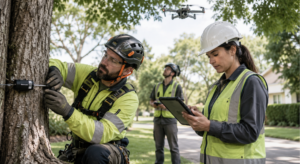
The tree care industry may seem far removed from servers, software, artificial intelligence, drones, cloud storage, mobile apps, and data analytics. At first glance, a tree expert climbing into a canopy or inspecting a storm-damaged oak does not look like the typical image of modern information technology. But that is exactly what makes this shift so interesting. Tree care is no longer only about chainsaws, ropes, pruning tools, and field experience. Today, it is also about digital diagnostics, mapping software, weather data, risk modeling, mobile communication, and smarter decision-making.
As technology continues to change nearly every industry, tree care is becoming one of the more surprising examples of how IT can make traditional field work safer, faster, and more accurate. A modern tree expert can use digital tools to identify tree disease earlier, assess safety risks more clearly, communicate with property owners more efficiently, and document work with greater precision. For homeowners, businesses, municipalities, and property managers, that means better service and better protection for valuable landscapes.
The connection between tree experts and IT is not a gimmick. It is a practical evolution. As information technology continues to shape how professionals gather, process, store, and use information, tree care companies are learning how to turn field observations into useful data. That data can help prevent property damage, reduce liability, protect tree health, and improve long-term planning.
How IT Is Giving Tree Experts Better Information in the Field
A tree expert has always relied on knowledge, training, and experience. The difference today is that technology gives that experience more support. Instead of walking a property with only a clipboard and memory, a tree care professional can now use mobile inspection apps, GPS mapping tools, cloud-based records, digital photos, and real-time notes. This creates a more complete picture of every tree on a property.
For example, a tree expert can document the condition of a tree during one visit and compare it to previous records months or years later. Changes in canopy density, bark condition, branch structure, fungal growth, or root exposure can be tracked with photos and notes. This helps identify patterns that may not be obvious from a single inspection. Over time, digital records become a valuable history of the property’s landscape.
This is especially useful for large properties, commercial sites, parks, schools, neighborhoods, golf courses, and municipal tree inventories. When dozens, hundreds, or even thousands of trees need to be monitored, paper records can become disorganized quickly. IT systems allow tree care companies to organize tree data by location, species, condition, priority level, and recommended service. That makes tree management more proactive instead of reactive.
Drones, Imaging, and Smarter Tree Inspections
One of the most visible ways technology is changing tree care is through drone usage. Drones can help tree experts inspect hard-to-reach areas, tall canopies, steep slopes, storm damage, and large wooded properties. While a drone does not replace the trained judgment of an experienced tree expert, it can provide a valuable overhead view that improves the inspection process.
High-resolution images and video can reveal broken limbs, canopy thinning, structural concerns, pest damage, and access issues before a crew begins work. This can help tree care companies plan safer jobs and reduce surprises on site. In some cases, drone footage may help a property owner understand why a tree needs pruning, treatment, cabling, or removal. Visual evidence can make recommendations clearer and easier to trust.
Technology news sources such as Reuters Technology frequently report on the larger movement toward automation, artificial intelligence, robotics, and data-driven tools. Those same trends are gradually moving into outdoor industries, including agriculture, landscaping, forestry, and arboriculture. Tree care companies that embrace these tools can often provide more detailed assessments and more transparent communication.
Artificial Intelligence and Early Tree Problem Detection
Artificial intelligence is becoming a major part of the IT conversation, and its influence is beginning to reach tree care as well. AI-powered image recognition tools can help identify signs of disease, pest activity, nutrient stress, and other visual abnormalities. While a professional tree expert still needs to confirm findings, AI can support faster screening and help flag potential concerns earlier.
This matters because tree problems are often easier and less expensive to manage when they are caught early. A tree with a developing disease, structural weakness, or pest infestation may still be treatable if the issue is noticed soon enough. If the problem is ignored, the same tree may become hazardous, decline rapidly, or require removal.
For property owners searching for a qualified Tree Expert Near Me, technology can be a sign that a company is serious about accuracy, documentation, and modern service. A tree care provider that uses smart tools, clear reporting, and digital communication can often give clients more confidence in the recommendations being made.
AI is also changing how professionals review large amounts of information. A tree expert may use weather history, soil conditions, regional pest alerts, satellite imagery, and previous inspection notes to make better recommendations. As MIT Technology Review continues to cover the rapid growth of artificial intelligence and emerging technology, the broader message is clear: industries that use data wisely can make better decisions.
Weather Data and Risk Planning for Tree Care
Weather has always played a major role in tree health and tree safety. Strong winds, heavy rain, drought, lightning, ice, and extreme heat can all affect trees. Modern IT systems allow tree experts to use weather data in smarter ways. Instead of responding only after damage occurs, tree care companies can study weather patterns and help property owners prepare.
For example, trees with weak branch unions, dead limbs, shallow roots, or existing decay may become more dangerous before a major storm. With digital inspection records and weather monitoring, a tree expert can prioritize high-risk trees before severe weather arrives. This can reduce the chance of falling limbs, roof damage, blocked driveways, power line conflicts, and emergency removals.
Technology also helps crews schedule work more safely. Tree removal, pruning, and climbing operations are affected by wind speed, ground saturation, lightning risk, and visibility. A company that uses modern weather tools can make smarter decisions about when to proceed and when to delay work for safety.
This is where IT becomes more than convenience. It becomes risk management. Tree care involves real hazards, including working at height, operating equipment, managing falling limbs, and protecting nearby structures. Better information helps reduce those risks.
Cybersecurity and Data Protection in Modern Tree Care Businesses
As tree care companies become more digital, cybersecurity becomes more important. Customer records, payment information, job photos, property maps, estimates, invoices, and scheduling systems all need to be protected. A tree care business may not think of itself as a technology company, but once it uses cloud software and online tools, cybersecurity matters.
Government resources such as CISA News & Events show how important cybersecurity has become for businesses of all sizes. Even small local service companies can be affected by phishing emails, weak passwords, hacked accounts, ransomware, and data loss. A tree care company that invests in secure systems is not only protecting itself; it is also protecting its customers.
Strong cybersecurity practices can include secure passwords, two-factor authentication, encrypted cloud storage, safe payment systems, regular software updates, and employee training. These may sound like office issues, but they directly affect field operations. If a company loses access to its scheduling system, customer database, or digital estimates, service can be delayed and trust can be damaged.
Modern professionalism includes both field skill and digital responsibility. The best tree care companies understand that trust is built through safe work, clear communication, and responsible handling of customer information.
Better Communication Through Digital Tools
One of the biggest benefits of IT in tree care is improved communication. Property owners often want to understand what is happening, why a service is recommended, how urgent the issue is, and what the final result should look like. Digital tools make that easier.
A tree expert can send photos, notes, estimates, service recommendations, and follow-up reminders directly to a customer. Instead of vague explanations, clients can see exactly which limb is damaged, which tree has decay, or which area needs attention. Digital reports can also help property managers, HOA boards, insurance adjusters, and municipal officials make informed decisions.
This level of communication builds credibility. When a company explains its work clearly, customers are more likely to trust the recommendation. That trust can lead to stronger reviews, better referrals, and a better online reputation.
IT also improves internal communication. Office staff, sales representatives, estimators, climbers, ground crews, and managers can stay aligned through scheduling software and shared job notes. This reduces missed details, duplicate work, and confusion. A crew arriving on site can already know the tree location, service scope, hazards, equipment needs, and customer preferences.
Tree Inventory Software and Long-Term Property Planning
Tree care is not only about solving today’s problem. It is also about planning for the future. Tree inventory software allows professionals to create detailed records for every tree on a property. These records may include species, size, condition, location, risk level, maintenance history, and future recommendations.
This is especially valuable for cities, schools, business campuses, apartment communities, and large estates. A healthy tree canopy can increase property appeal, provide shade, support wildlife, reduce heat, and improve outdoor spaces. But trees also require planning. Some need pruning cycles. Some need health monitoring. Some may eventually need replacement.
Digital tree inventories help decision-makers budget and prioritize. Instead of being surprised by emergency removals or widespread decline, property owners can plan maintenance over time. They can also identify which trees are worth preserving and which may pose future concerns.
Tech publications such as The Verge Tech regularly highlight how apps, platforms, and connected devices are changing daily life and business operations. In tree care, the same idea applies in a practical way. The right software can turn a scattered maintenance process into an organized management plan.
How IT Helps Tree Experts Work More Safely
Safety is one of the most important reasons technology matters in tree care. Tree work can involve chainsaws, chippers, climbing systems, cranes, bucket trucks, rigging, and heavy falling material. Mistakes can be dangerous. IT tools can support safer planning before work begins.
Digital job assessments can identify hazards such as power lines, nearby structures, weak limbs, limited access, underground utilities, traffic concerns, and unstable ground. Photos and notes can be reviewed before the crew arrives. GPS mapping can help crews locate trees quickly on large properties. Weather apps can help managers avoid unsafe conditions.
Training can also be improved with technology. Crews can access safety videos, digital checklists, equipment documentation, and company procedures from mobile devices. Managers can track certifications, training updates, and incident reports. Over time, this creates a stronger safety culture.
Industry reporting from sources like WIRED Security often focuses on digital security, national security, and technology risk. For tree care companies, risk also exists in the physical world. The common thread is preparation. Whether the risk is a hacked account or a damaged tree limb over a driveway, better systems help professionals respond more effectively.
Why Technology Will Not Replace the Tree Expert
Even with drones, AI, apps, sensors, mapping tools, and cloud platforms, technology will not replace the human tree expert. Trees are living organisms. Every property is different. Soil, weather, species, age, structure, pests, disease, construction impact, drainage, and surrounding buildings all affect what should be done.
Technology can support decision-making, but it cannot fully replace field judgment. A tree expert brings experience, context, and responsibility to the process. The future of tree care is not technology instead of expertise. It is technology strengthening expertise.
This is important because property owners do not only need data. They need interpretation. A drone can take a photo. Software can store a record. AI can flag a possible issue. But a trained professional must decide what the issue means, how serious it is, and what action should be taken.
The smartest tree care companies will be the ones that combine hands-on knowledge with modern IT tools. They will use technology to become more accurate, more efficient, and more transparent without losing the personal judgment that quality tree care requires.
The Future of Tree Care Is Connected, Data-Driven, and Local
Tree care will continue to become more connected. In the future, more companies may use remote sensors, advanced imaging, predictive analytics, automated scheduling, customer portals, and AI-supported diagnostics. Property owners may receive clearer reports, faster estimates, better maintenance reminders, and more accurate risk assessments.
Technology reporting from outlets such as TechCrunch shows how quickly new software, startups, and digital tools can reshape traditional industries. Tree care is part of that larger transformation. The companies that adapt can improve service quality, reduce wasted time, and provide better long-term value to customers.
At the same time, tree care will always remain local. Trees grow in real neighborhoods, yards, business properties, parks, and streets. Local climate, soil, pests, and storms matter. That is why the combination of local expertise and smart technology is so powerful. IT gives tree experts better tools, but local experience gives those tools meaning.
Conclusion
Tree expert work is changing because technology is changing the way professionals see, record, analyze, and communicate information. What used to be handled mostly through visual inspection and paper notes can now be supported by drones, mobile apps, digital photos, cloud records, weather data, cybersecurity practices, AI tools, and tree inventory software.
This does not make the tree expert less important. It makes the tree expert better equipped. Smart technology helps professionals catch problems earlier, explain recommendations more clearly, plan safer work, protect customer data, and manage trees over the long term.
The future of tree care is not just about removing dangerous branches or pruning for curb appeal. It is about using the best available information to protect people, property, and healthy trees. When IT and tree care work together, the result is a smarter, safer, and more trusted approach to caring for the landscapes that surround homes, businesses, and communities.